7 hr
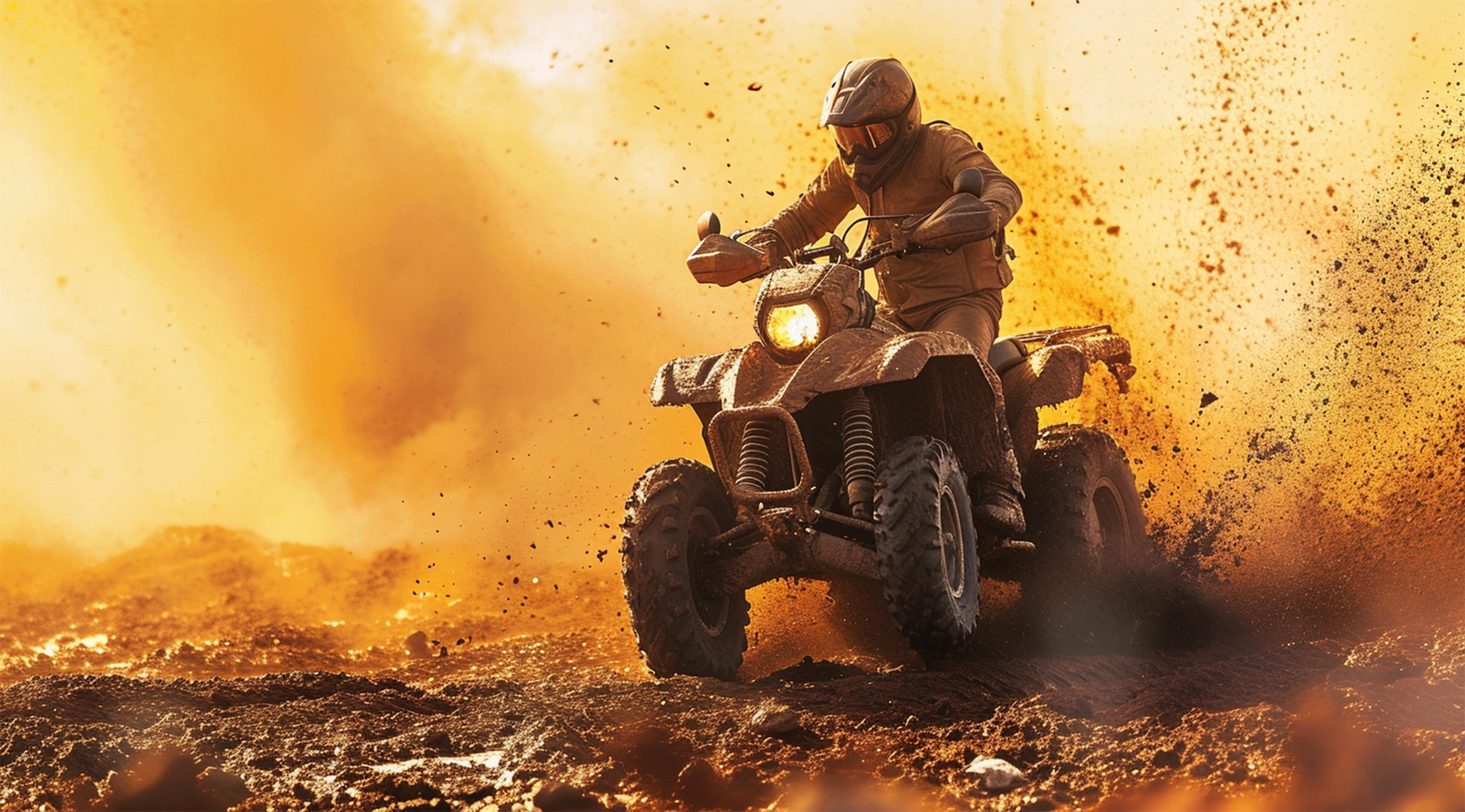
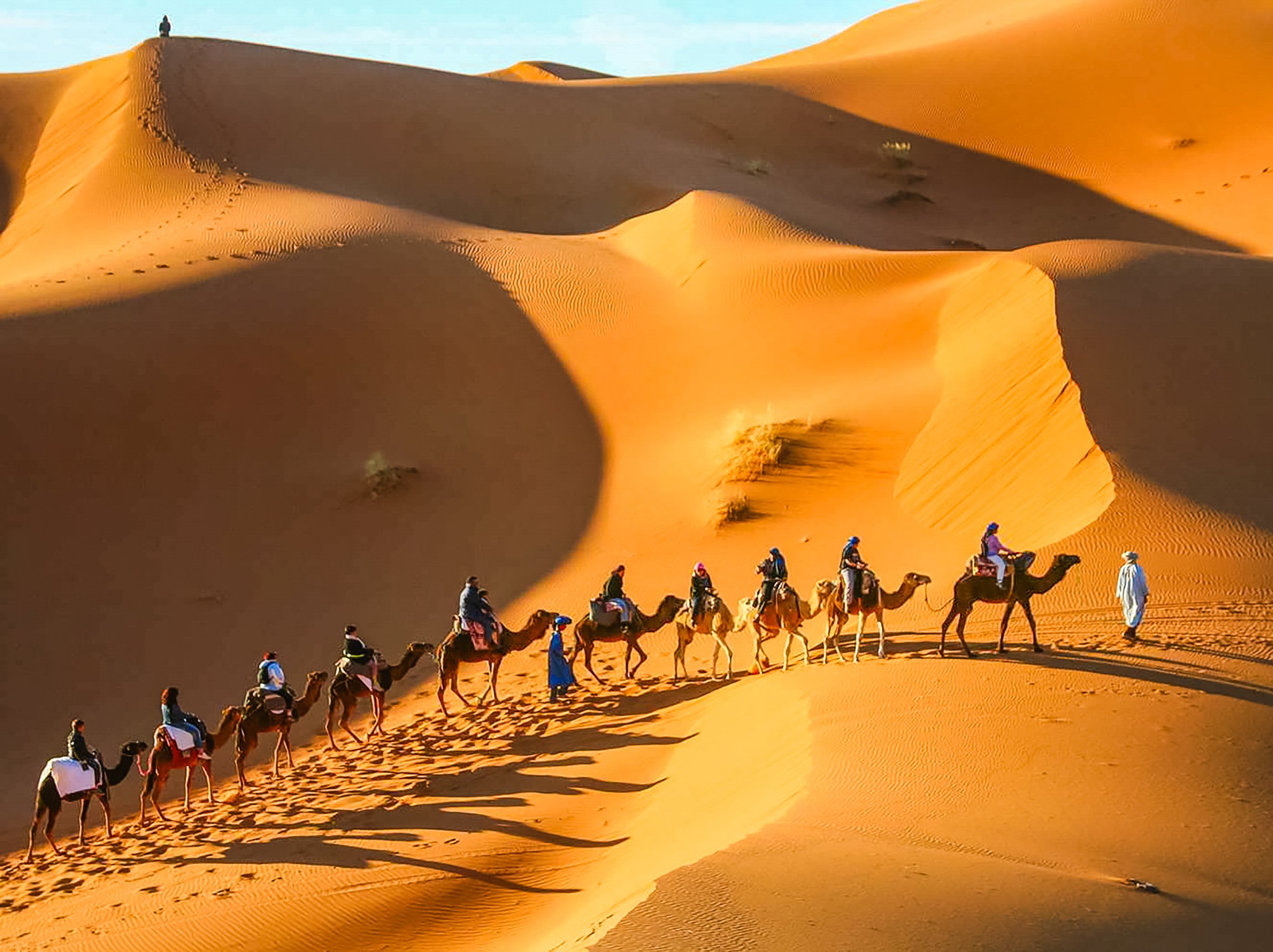
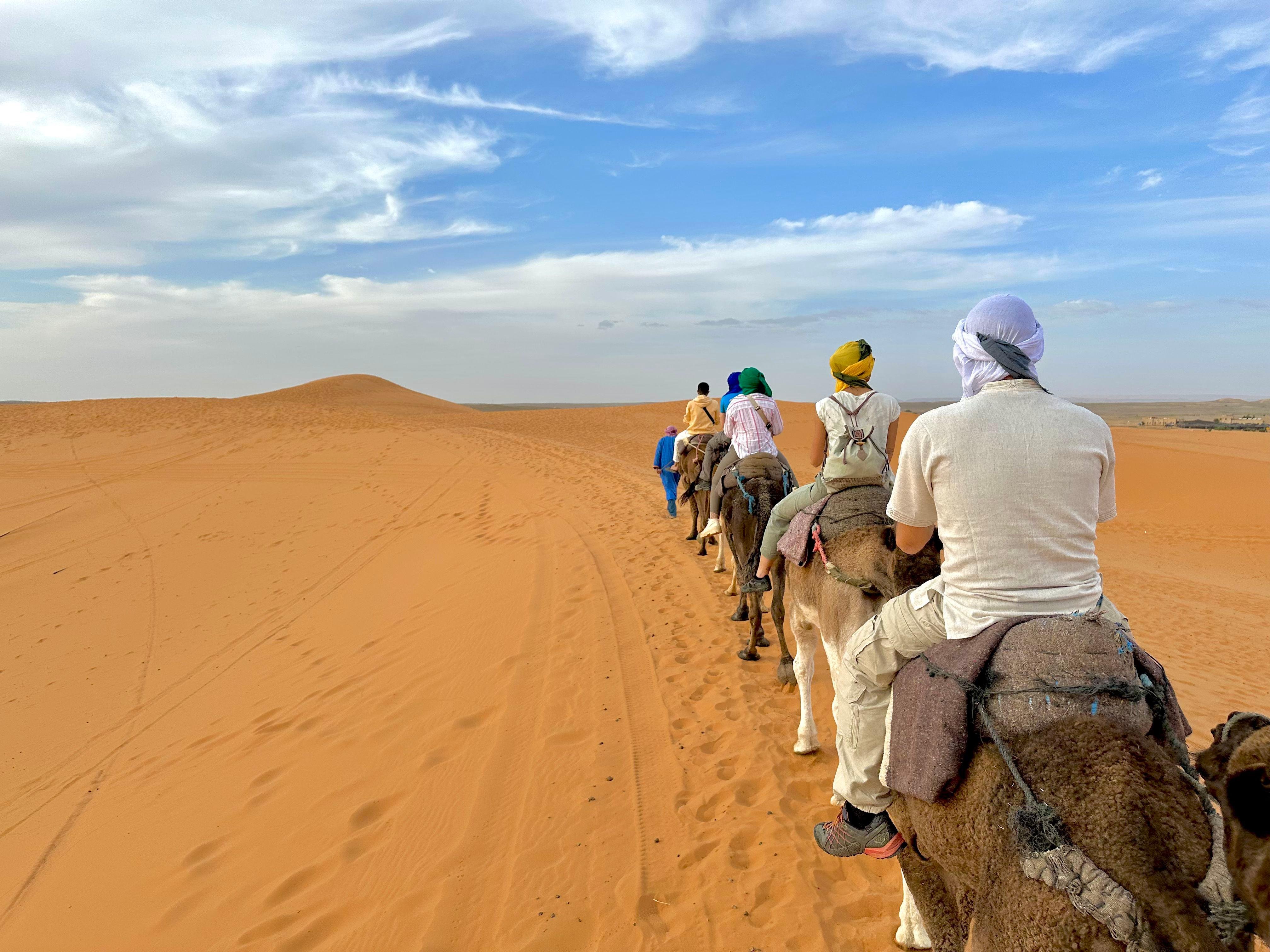
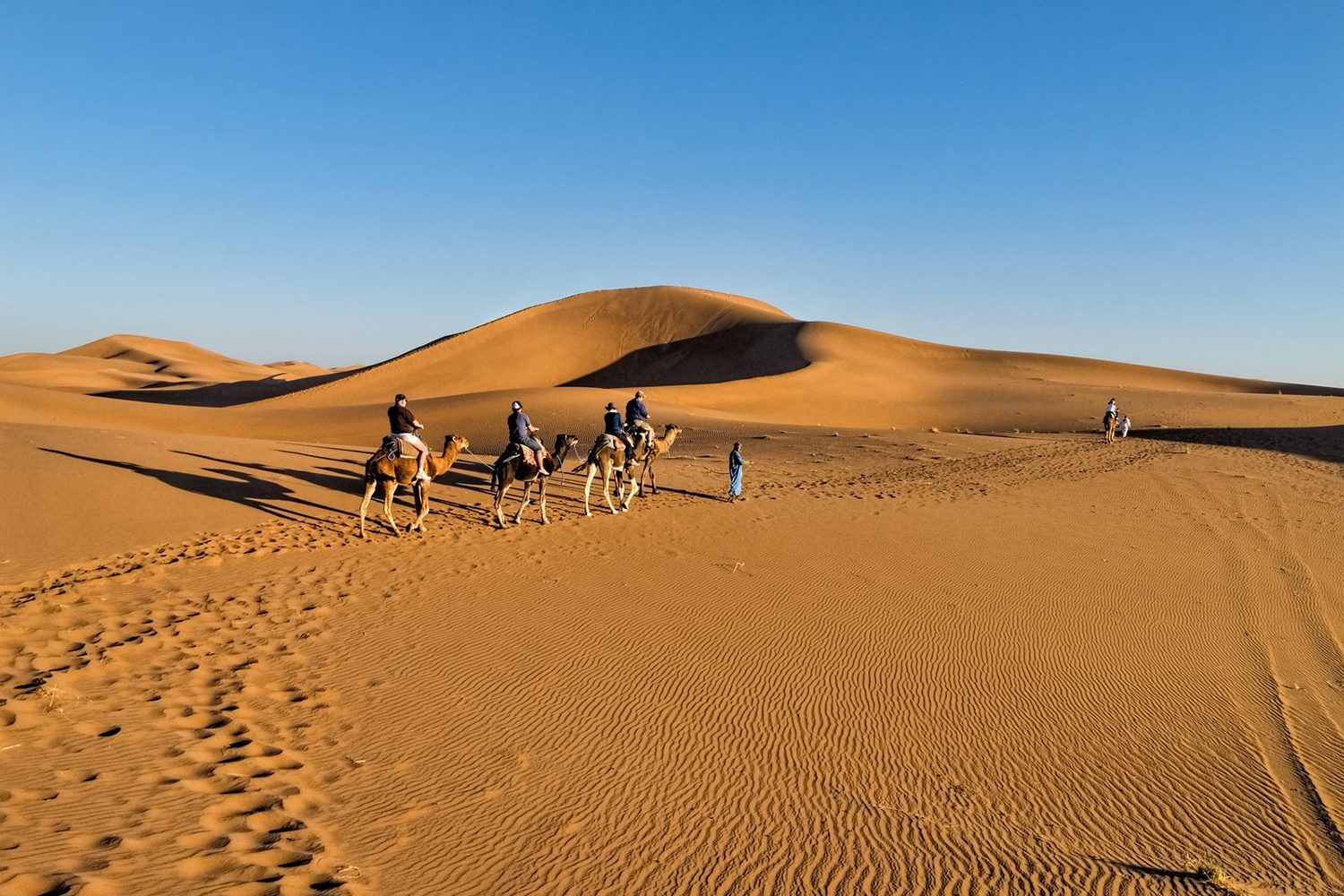
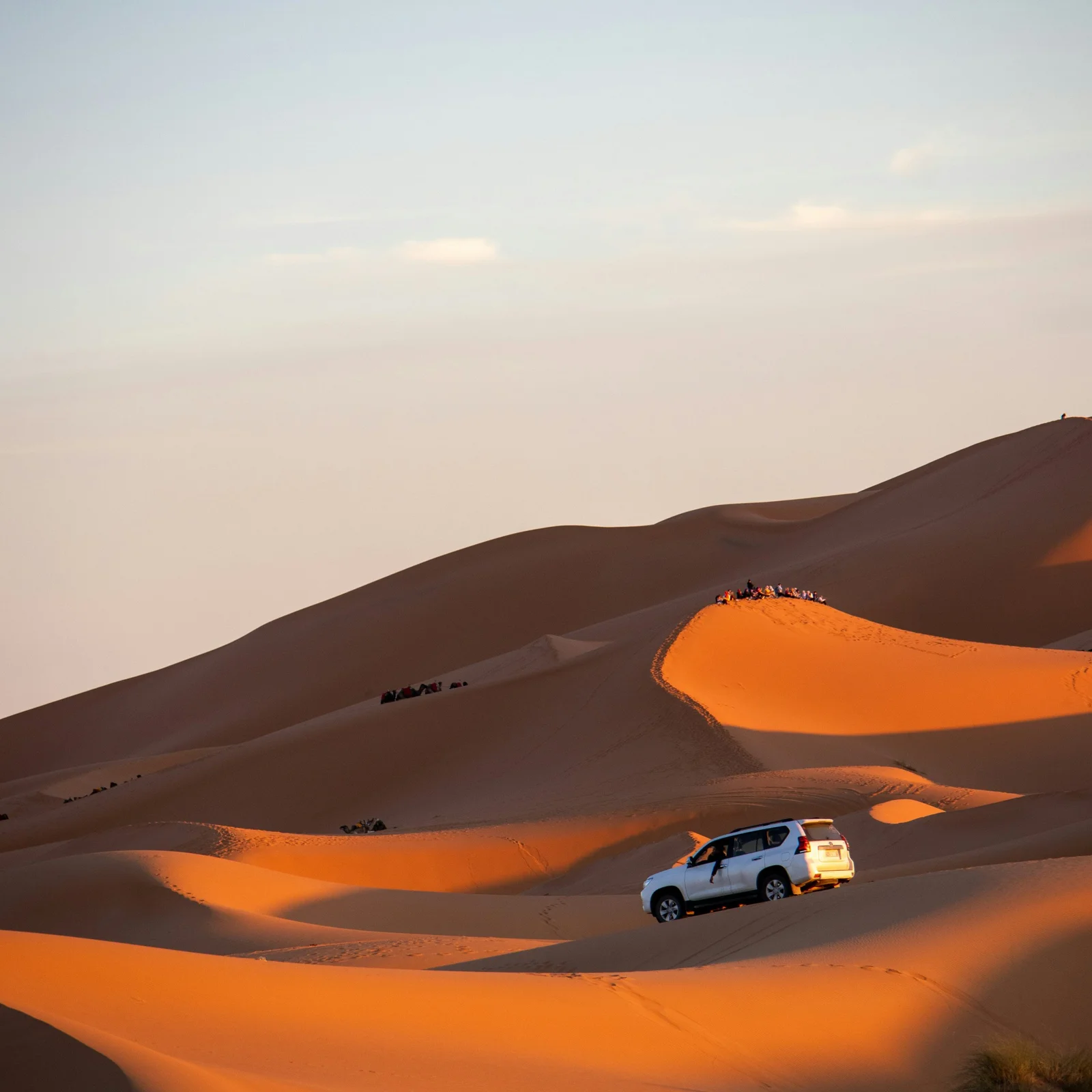
Agafay Desert Quad Biking, Camel Trek & Dinner Experience
- Expert local guide
- Small group
- Skip-the-line access
- Free cancellation
Erg Chigaga Desert Expeditions — Multi-Day Tours From Marrakech
Morocco's deepest dunes, nine hours south across stone and sand
Compare fares, pick the fit — all bookings are mobile-voucher and eligible for free cancellation where shown.
7 hr
72 hr
72 hr
| Experience | Duration | Rating | Pickup | Skip-the-line | Guide | Small group | Price | |
|---|---|---|---|---|---|---|---|---|
|
Guided Experience
Most popular
Agafay Desert Quad Biking, Camel Trek & Dinner Experience
|
7 hr | ★ 4.8 | ✓ | ✓ | ✓ | ✓ | €20 | Book → |
|
Guided Experience
3-Day Sahara Desert Adventure from Marrakech
|
72 hr | ★ 4.9 | ✓ | ✓ | ✓ | ✓ | €118 | Book → |
|
Guided Experience
Merzouga Desert Safari: 3-Day Adventure from Marrakech
|
72 hr | ★ 4.7 | ✓ | ✓ | ✓ | ✓ | €108 | Book → |
Erg Chegaga offers a remote, untamed wilderness for those seeking solitude, whereas Erg Chebbi provides easier access and a more structured desert environment for travelers planning an erg chigaga tour from marrakech.
|
Top pick Erg Chegaga |
Erg Chebbi | |
|---|---|---|
| Accessibility | Off-road 4x4 required | Paved road to Merzouga |
| Crowd Density | Very low, remote dunes | High, popular tourist hub |
| Landscape Character | Expansive, wild, rugged terrain | Compact, towering iconic dunes |
| Travel Time from Marrakech | Typically 2-3 days | Typically 1-2 days |
| Authenticity Level | High, nomadic atmosphere | Moderate, developed infrastructure |
| Erg chigaga tour from marrakech tours | Available via private guides | Available via shared shuttles |
| See tickets & prices |
Verdict: Choose Erg Chegaga for a quiet, authentic desert journey, or select Erg Chebbi if you prefer convenience and shorter travel times for your erg chigaga tour from marrakech tickets.
Hand-picked experiences loved by thousands of travelers
11-12 hours
Free Cancellation
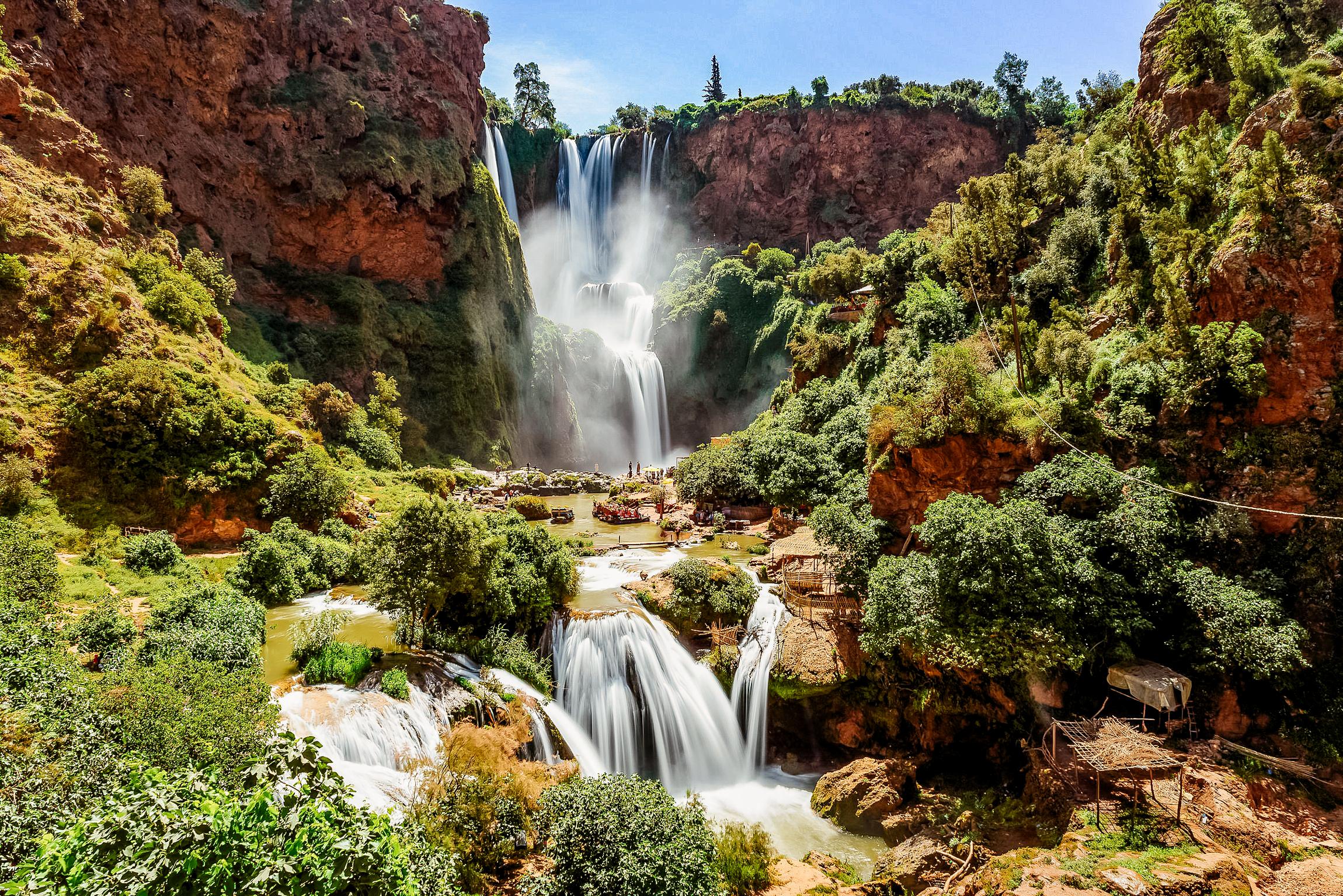
Journey to North Africa's tallest cascades for hiking, boat rides, and authentic Berber culture
3 days
Free Cancellation
Journey through Atlas peaks to sleep under desert stars, explore ancient fortresses, and ride camels at sunset
3 days
Free Cancellation
Journey through Atlas passes and ancient kasbahs to Morocco's highest dunes with camel treks and starlit camps
3 days
Free Cancellation
Journey through Atlas peaks to Erg Chebbi dunes with camel trekking, desert camping, and UNESCO sites
3 days
Free Cancellation
Journey through the Atlas Mountains to the Sahara with camel rides, Berber camps, and ancient kasbahs
16 hours
Free Cancellation
Spend a magical night in the desert with traditional dining, live performances, and starlit camping
3 days
Free Cancellation
Journey from Marrakech across the Atlas Mountains to sleep under desert stars in a traditional Berber camp
3 days
Free Cancellation
Journey through Atlas passes, UNESCO kasbahs, and palm oases to reach Morocco's vast Chigaga dunes
Early morning drive through the Atlas Mountains towards the desert.
Final supply check and transition to 4x4 vehicles.
Arriving at the Sahara landscape via off-road tracks.
Towering sand peaks reaching over 150 meters in height, offering a distinct landscape experience. These are among the largest dunes in the Moroccan Sahara.
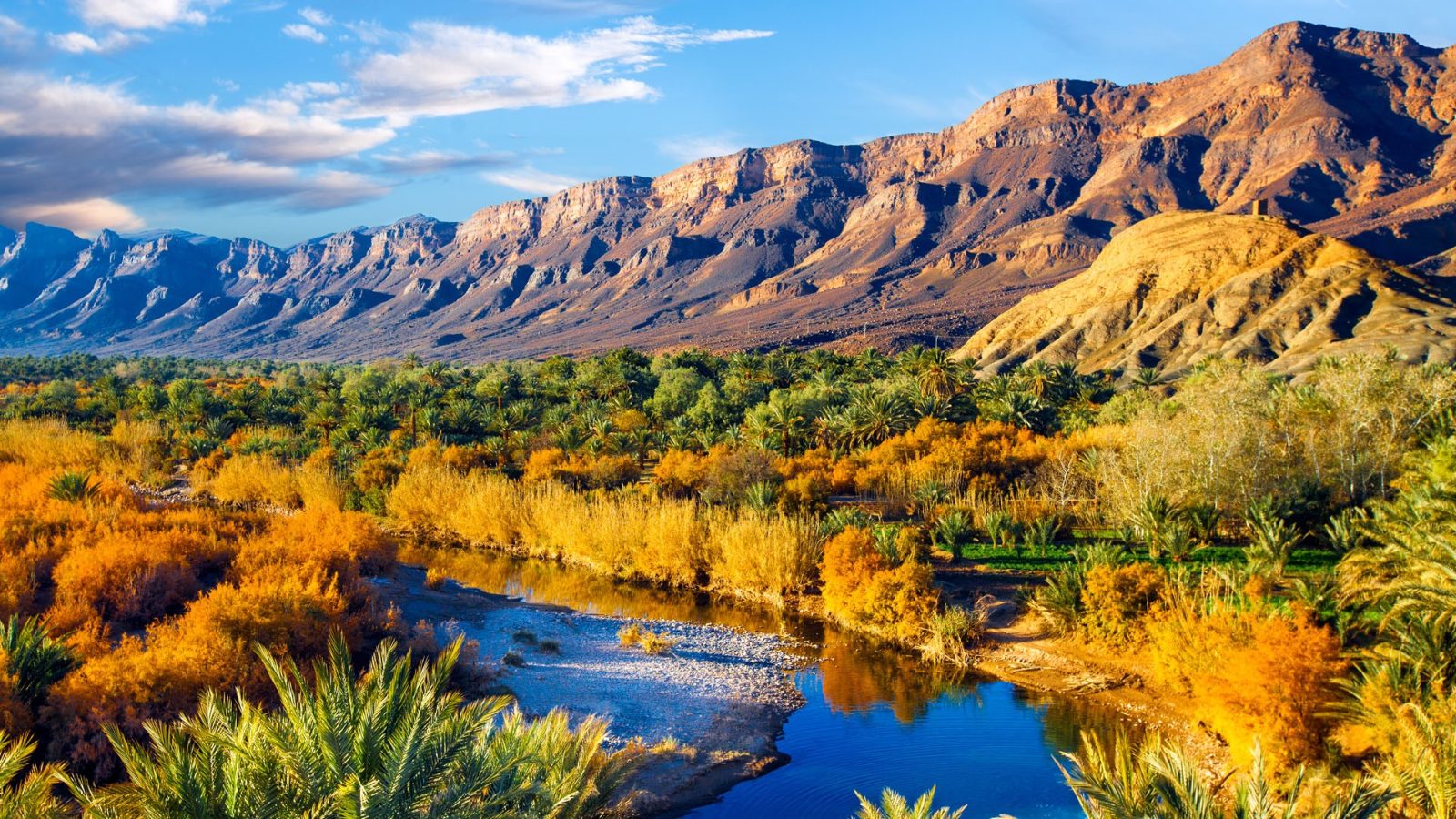
A palm-filled hidden spot that provides water and shade in the harsh desert environment. This site serves as a vital resting point for local wildlife.
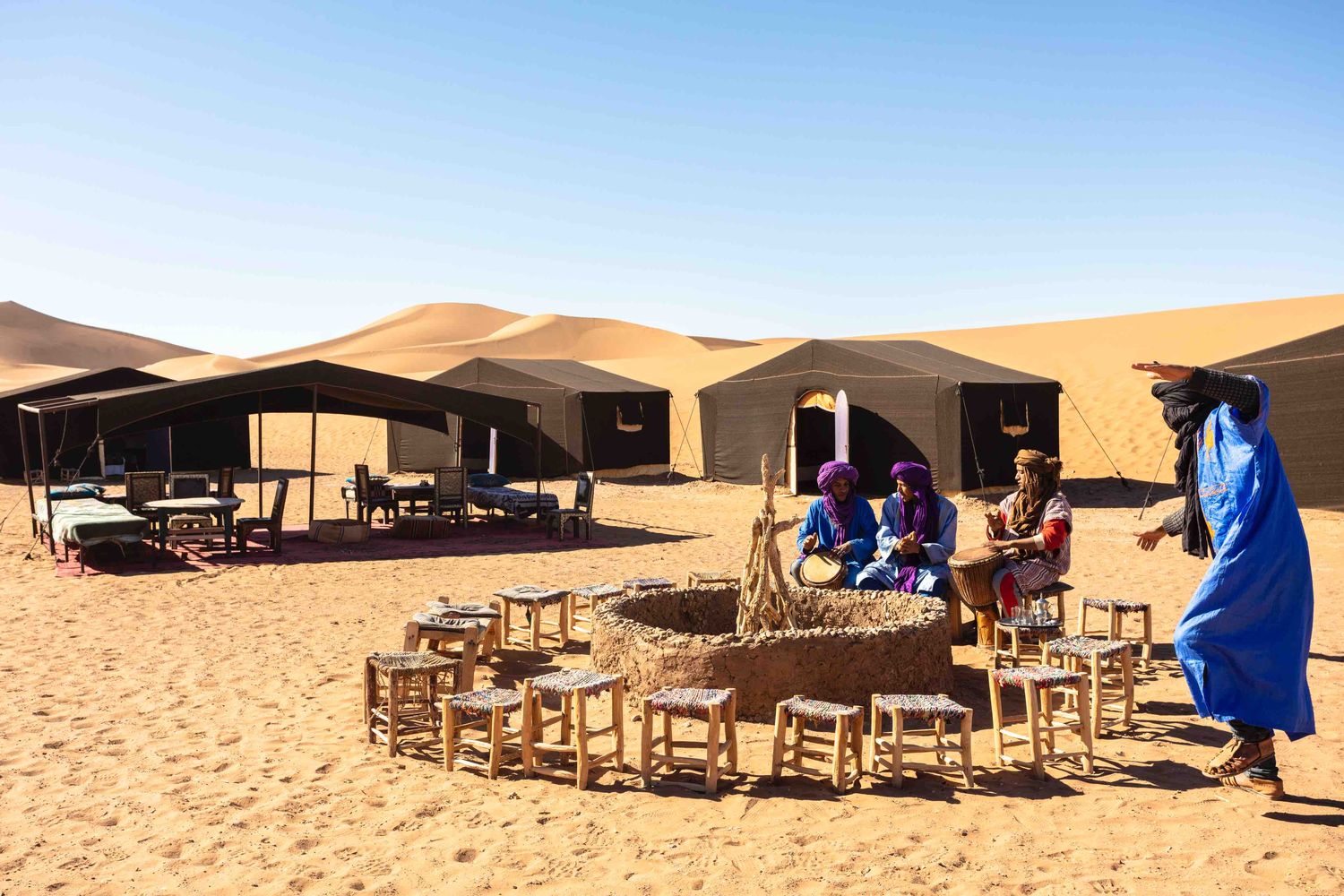
A traditional evening ritual featuring local music and storytelling under the desert sky. Guests often gather here to experience nomadic hospitality.
A protected dry lake bed adjacent to the dunes that serves as a sanctuary for diverse desert species. The terrain here offers a unique geological contrast to the shifting sand.
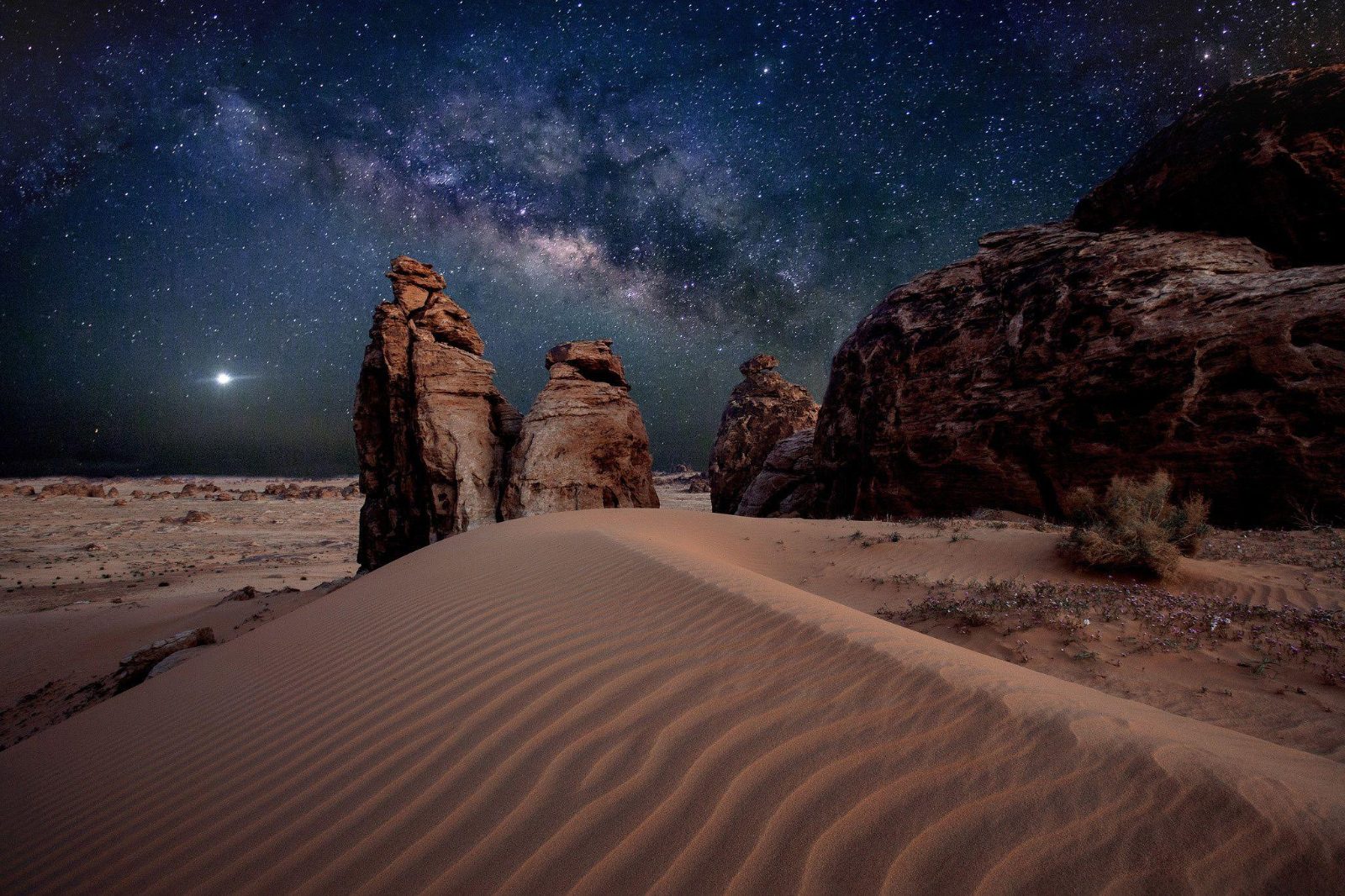
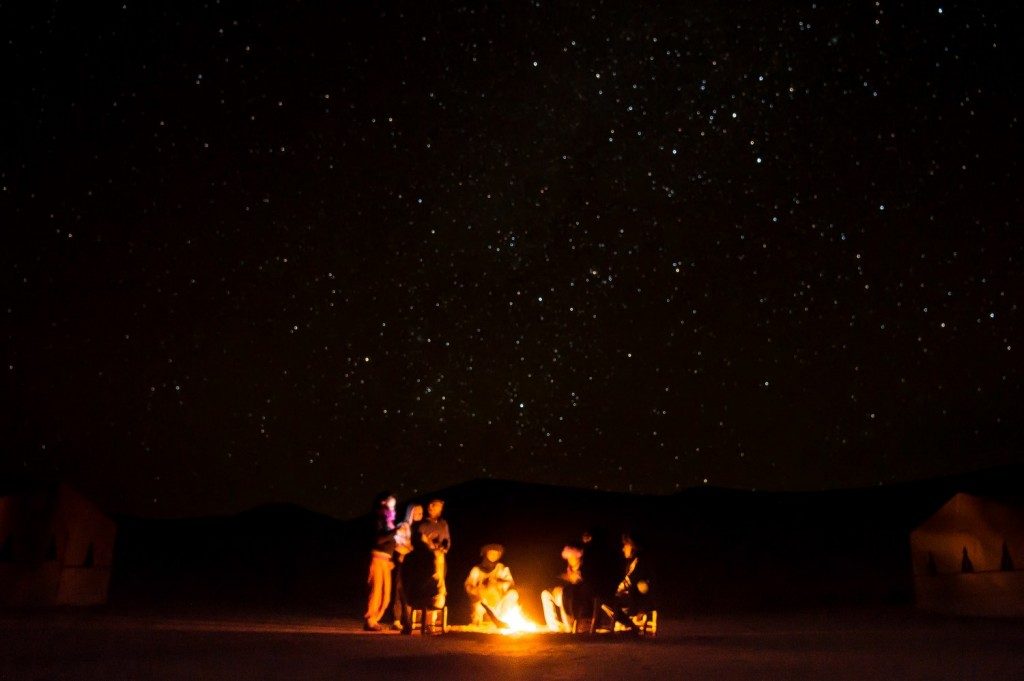
Remote locations far from city lights that provide clear views of the Milky Way. Astronomers consider this region one of the darkest sites in North Africa.
You leave Marrakech before dawn, threading the High Atlas switchbacks as the sun clears Jebel Toubkal's 4,167-metre summit. By noon you've crossed Ouarzazate, the film-studio town where Lawrence of Arabia and Gladiator shot desert sequences, and descended into the Draa Valley.
Date palms crowd the roadside; vendors sell honey and argan oil in repurposed Fanta bottles. At M'Hamid El Ghizlane you transfer to a 4x4, the asphalt ending abruptly at a checkpoint where a ranger logs your departure time and satellite-phone number.
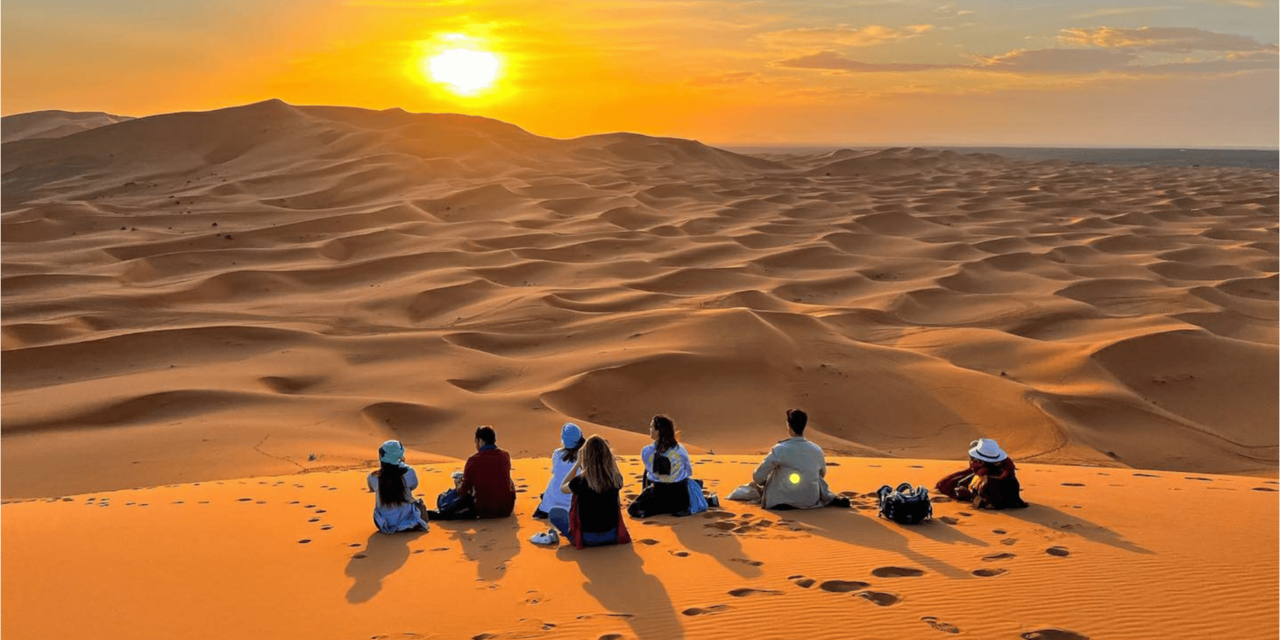
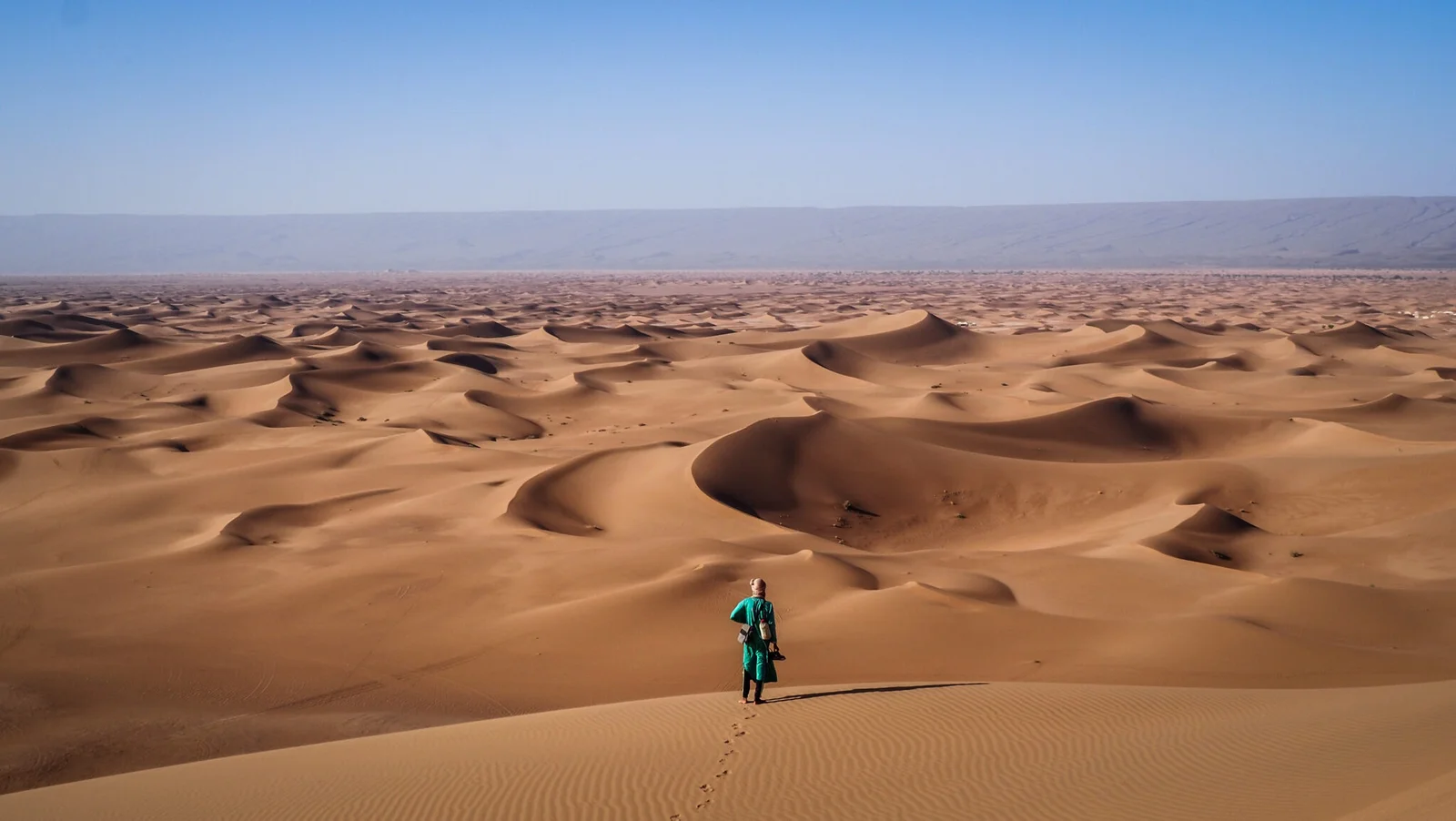
The Iriki lakebed stretches flat and white, crusted salt crackling under the tyres. Dunes appear on the southern horizon an hour later, rust-coloured ridges stacked like breaking waves. Your driver stops at the first major crest; you climb barefoot, sand sliding away with each step, until the Sahara unrolls in every direction — no road, no structure, no contrail. At camp, Berber guides brew mint tea in a blackened kettle, then lead you up the highest dune to watch the sun sink. Colour drains from the sky in bands: orange, violet, indigo, black. After tagine and drumming you lie on a carpet outside your tent, the Milky Way so dense it casts shadows, and count satellites crossing Orion's belt until your eyes close.
All the details about your upcoming adventure in one place
An erg chigaga tour from marrakech crosses the Atlas Mountains and reaches Morocco's most remote Sahara dunes, over 300 kilometers from paved roads. Unlike the closer Erg Chebbi, these vast sand formations offer authentic desert solitude, camel treks at sunset, and nights in traditional Berber camps under dark skies. Erg chigaga tour from marrakech tours typically include 4×4 transport, local guides, and meals prepared over open fire.
Erg Chigaga rises 300 metres above the Sahara floor, 60 kilometres west of M'Hamid El Ghizlane and 90 kilometres beyond the last paved road.
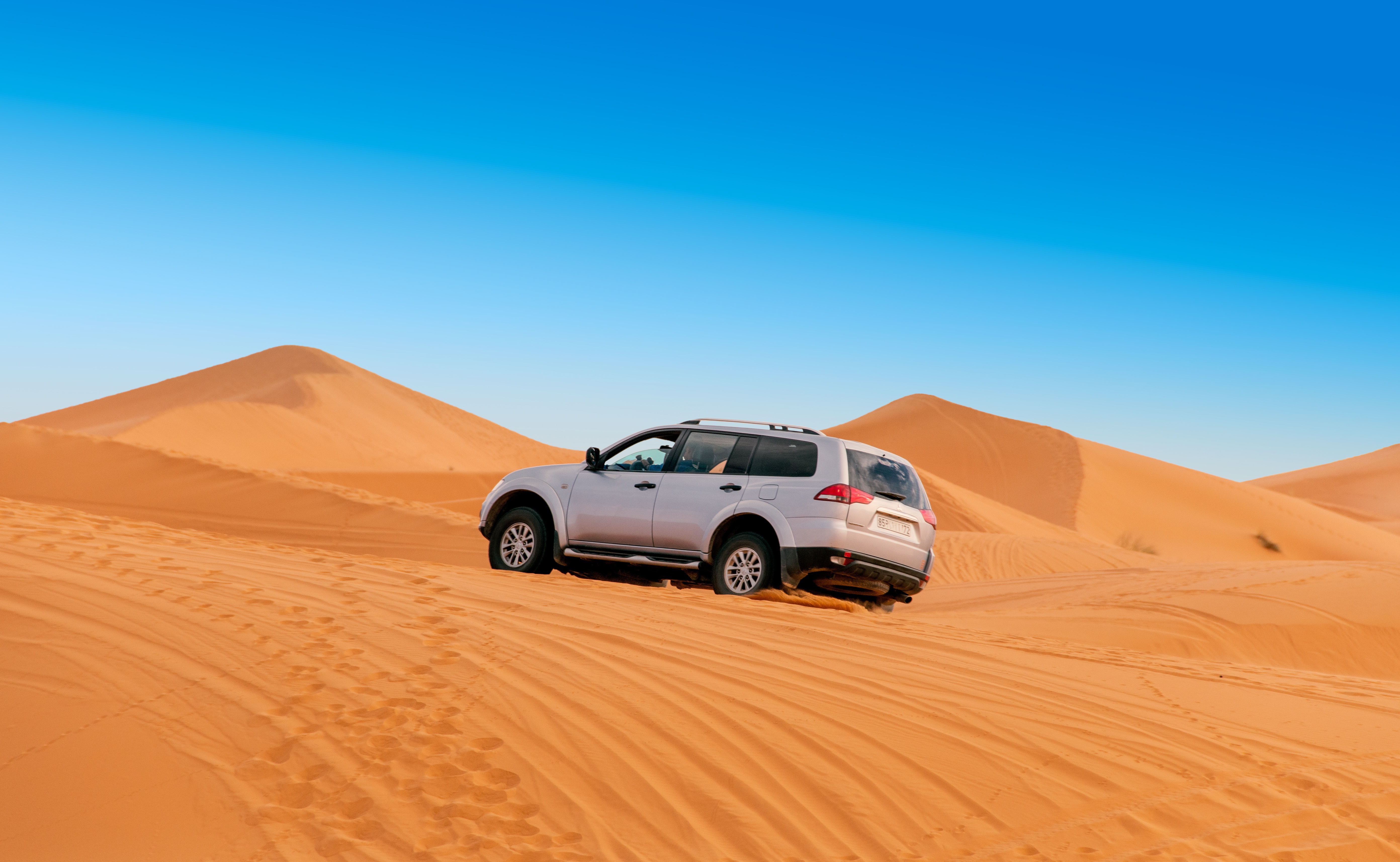
Unlike its northern sibling Erg Chebbi, which hugs the Algerian border and welcomes nightly convoys of tourist Land Cruisers, Chigaga remains inaccessible to standard passenger vehicles. The final approach demands either a seven-hour 4x4 traverse across the Iriki lakebed — a salt-crusted expanse that floods unpredictably each spring — or a two-day camel trek threading palmeries, acacia groves, and fossil beds deposited when the Sahara was an inland sea. The isolation is deliberate. Morocco designated the region a protected zone in 2009, limiting permanent structures to nomadic Berber camps that dismantle each June and relocate with the summer winds.
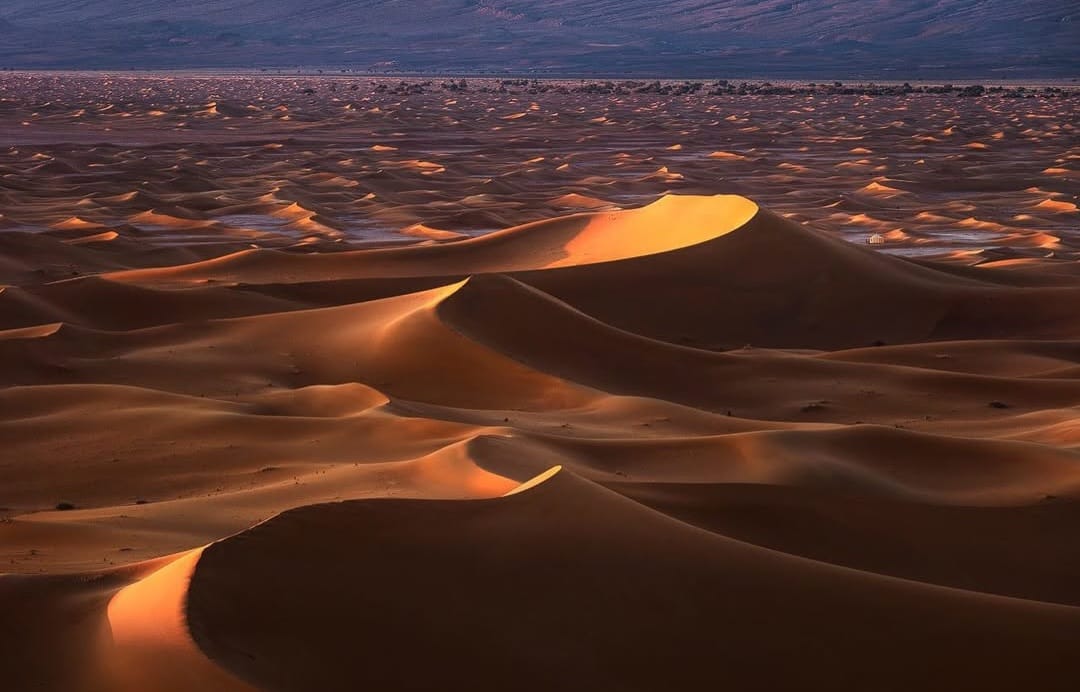
The dunes themselves form a north-south chain 40 kilometres long, sculpted by prevailing Harmattan winds that migrate the crests eastward at five metres per year. Geologists describe the sand as aeolian quartz, feldspar, and iron oxide, the rust-red tint deepening at sunrise when surface temperatures swing 40 degrees in two hours. The colour gradient — amber at the base, burnt sienna at the ridgeline — stems from particle sorting: finer grains climb higher, coarser sediment pools in troughs where fennec foxes den and scarab beetles excavate overnight. Bedouin guides mark routes by stone cairns and acacia skeletons because GPS drift exceeds 15 metres under magnetic storms, a monthly occurrence documented by the Marrakech Geophysical Institute since 2011.
Multi-day tours from Marrakech typically follow the Tizi n'Tichka pass south through the High Atlas, pause at Aït Benhaddou's ochre kasbahs, and descend into the Draa Valley where date palmeries line the riverbed for 200 kilometres. The drive spans nine to ten hours, segmented by fuel stops in Ouarzazate and lunch in Agdz, before reaching M'Hamid by late afternoon. From there, expeditions diverge: budget operators use Toyota Land Cruisers to ferry groups in three hours; premium outfitters arrange camel convoys that camp halfway at Erg Lehoudi, a smaller dune field where Tuareg herders winter their dromedaries. Both routes converge at fixed camps — canvas tents anchored by rope and rebar, communal tagine pits, and drum circles that carry past midnight under skies the Bortle scale rates Class 1, the darkest observable from inhabited terrain. The Milky Way's galactic core appears 16 times brighter here than in Marrakech, a differential astrophotographers quantify and desert tour operators market with increasing precision.
The final approach demands either a seven-hour 4x4 traverse across the Iriki lakebed or a two-day camel trek threading palmeries, acacia groves, and fossil beds deposited when the Sahara was an inland sea.
Wear loose, breathable natural fabrics to manage heat during your erg chigaga tour from marrakech. A headscarf is recommended to protect against wind-blown sand.
Soft-sided duffel bags are preferred over rigid suitcases for loading into 4x4 vehicles. Keep valuables in a secure daypack kept with you at all times during your erg chigaga tour from marrakech.
Dust-proof covers are essential for cameras while exploring the dunes. Drone usage near an erg chigaga tour from marrakech camp requires prior authorization from local authorities.
Families should prioritize desert camps with enclosed perimeters and organized activity schedules. Ensure children remain hydrated throughout the erg chigaga tour from marrakech journey.
The desert terrain is not wheelchair accessible. Deep sand dunes require physical fitness for walking.
Most desert camps provide traditional Moroccan tagine and mint tea as part of the package. Carry additional bottled water, as remote desert locations have limited supply.
Opening hours
00:00–23:59
Address
Erg Chegaga, M'Hamid El Ghizlane, Morocco
Terrain
Natural sand dunes with variable surface stability
Best arrival
06:00–18:00
Navigation
Off-road 4x4 access required
Car · 6-8 hours · Rental fees vary
Rental 4x4 vehicles are required for the final leg through the desert dunes. Standard sedans cannot reach the remote sites.
Private Tour · 8 hours · Included in package
Most travelers book a professional 4x4 erg chigaga tour from marrakech tour for navigation safety.
Cancellations for an erg chigaga tour from marrakech depend on your specific desert operator. There is an entrance fee of 0 MAD for the landscape itself, though private logistics involve non-refundable booking deposits.
Recommended time
3-4 days
An erg chigaga tour from marrakech requires multiple days due to the remote desert location and necessary off-road navigation. Travelers should prioritize early departures to maximize daylight for the long, scenic transit through the Atlas Mountains and Draa Valley. Because these Sahara landscapes remain far from urban centers, you will find consistent peace and space regardless of when you arrive.
Crowd levels through the day
Weather · crowds · average price — dots go green to amber to red as each metric rises.
March to May offers pleasant daytime temperatures before the intense heat of summer sets in. Ideal for those booking erg chigaga tour from marrakech tickets during the shoulder season.
September to November features cooling temperatures perfect for evening desert activities. This is a popular window for a Morocco desert excursion.
December to February provides clear, crisp nights for stargazing. Days are mild, though temperatures drop significantly after sunset.
Drink water consistently throughout your transit. Do not wait until you feel thirsty to start hydrating in the desert heat.
Cover your camera equipment with a protective cloth during high winds. Fine sand damages delicate electronic sensors.
The Draa Valley and its southern terminus at M'Hamid El Ghizlane have served as a critical artery for trans-Saharan trade since the ninth century, when Berber and Arab merchants established fortified ksour along the route linking Sijilmasa to the sub-Saharan empires of Ghana and Mali. Erg Chegaga, lying 60 kilometers west of M'Hamid, marked the final navigable dune field before caravans entered the barren Hamada du Draa plateau. Salt, gold, ivory, and enslaved people moved north; textiles, metalwork, and Saharan dates traveled south. The volume peaked between the eleventh and fourteenth centuries, when the Almoravid and Almohad dynasties controlled both sides of the Sahara, and a single caravan could number 12,000 camels. By the sixteenth century, Portuguese coastal enclaves diverted maritime trade, and the Saadian sultans of Marrakech shifted investment toward Atlantic ports. Trans-Saharan commerce declined sharply. French colonial authorities mapped the Draa in the 1920s and constructed rudimentary pistes to link the oases, but M'Hamid remained a garrison outpost with no permanent European settlement. The desert south of it stayed the domain of nomadic Reguibat and Ait Atta herders. Modern erg chigaga tour from marrakech itineraries emerged in the late 1990s, when Moroccan tour operators began offering multi-day 4x4 expeditions into the dunes as an alternative to the commercialized Erg Chebbi near Merzouga. Unlike Chebbi, Chegaga has no paved access and no permanent luxury camps until 2003, when the first seasonal bivouacs appeared. Today, licensed erg chigaga tour from marrakech operators use GPS waypoints and satellite phones to navigate the 57-kilometer off-road track from M'Hamid, passing the ruins of Zaouia Sidi Naji, a seventeenth-century Sufi lodge that once sheltered pilgrims crossing the Sahara. The dunes themselves remain unregulated open desert, preserving the isolation that defined the trans-Saharan corridor for a millennium.
Berber merchants establish the first fortified granaries along the Draa Valley, linking Sijilmasa to sub-Saharan gold routes.
Trans-Saharan trade peaks under Almoravid and Almohad control, with caravans of 12,000 camels crossing Erg Chegaga seasonally.
Saadian Sultan Ahmad al-Mansur conquers the Songhai Empire, briefly reviving Draa Valley commerce before Portuguese maritime routes dominate.
French colonial engineers survey the Draa and construct military pistes connecting M'Hamid to Zagora and Ouarzazate.
Nomadic Reguibat and Ait Atta populations settle in M'Hamid El Ghizlane following prolonged Sahel droughts and border conflicts.
First organized 4x4 expeditions from Marrakech reach Erg Chegaga, marketed as a remote alternative to Erg Chebbi.
Seasonal bivouac camps open near the dune crests, offering guided erg chigaga tour from marrakech tours with overnight stays in Berber tents.
GPS navigation and satellite communication standardize desert erg chigaga tour from marrakech tickets, reducing reliance on local nomadic guides.
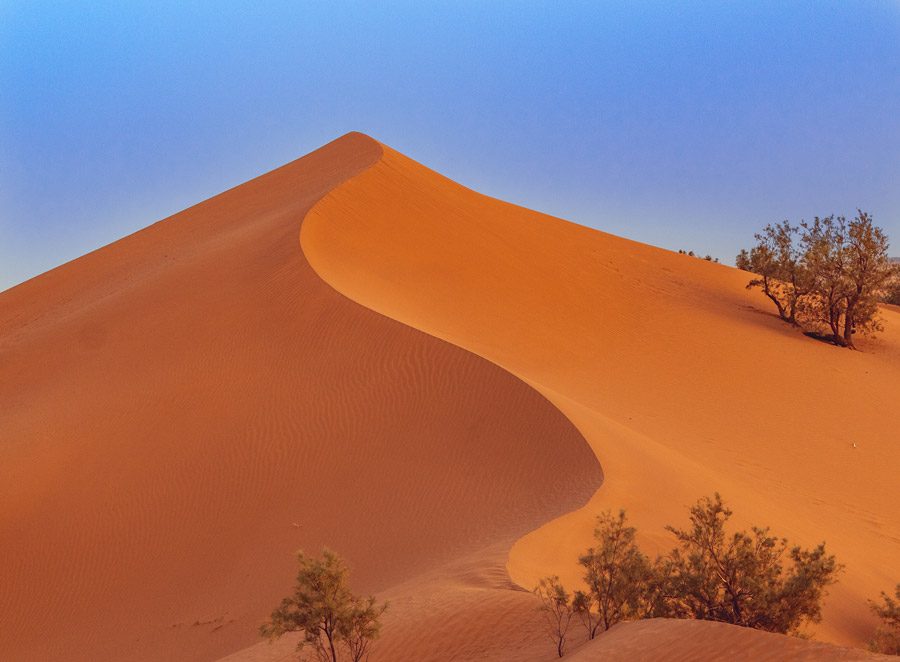
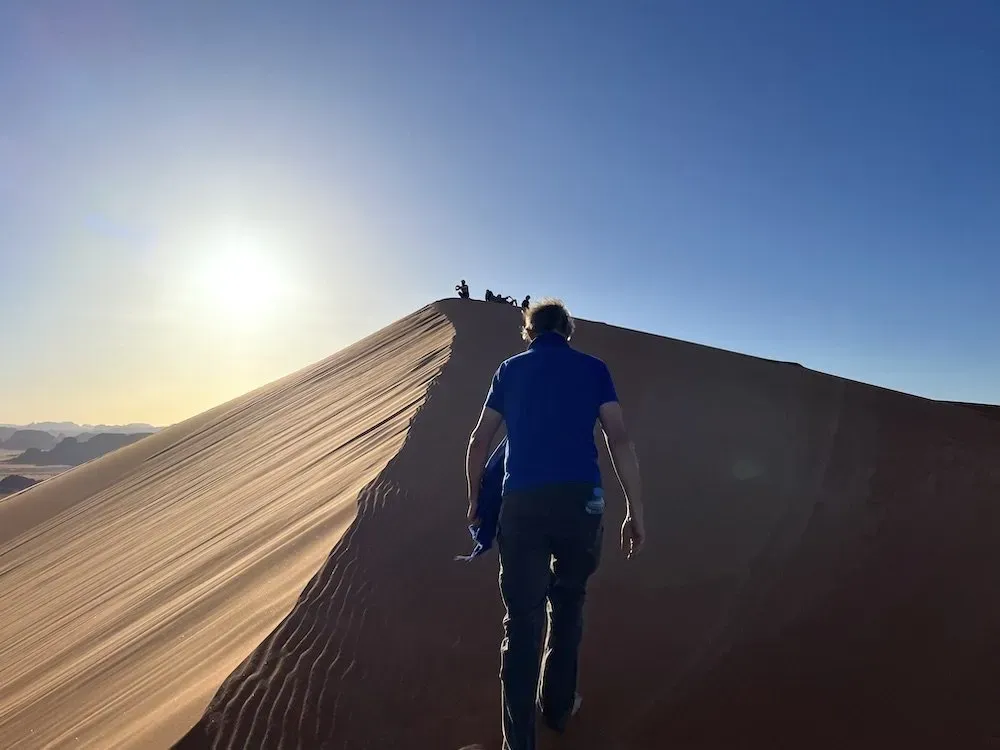
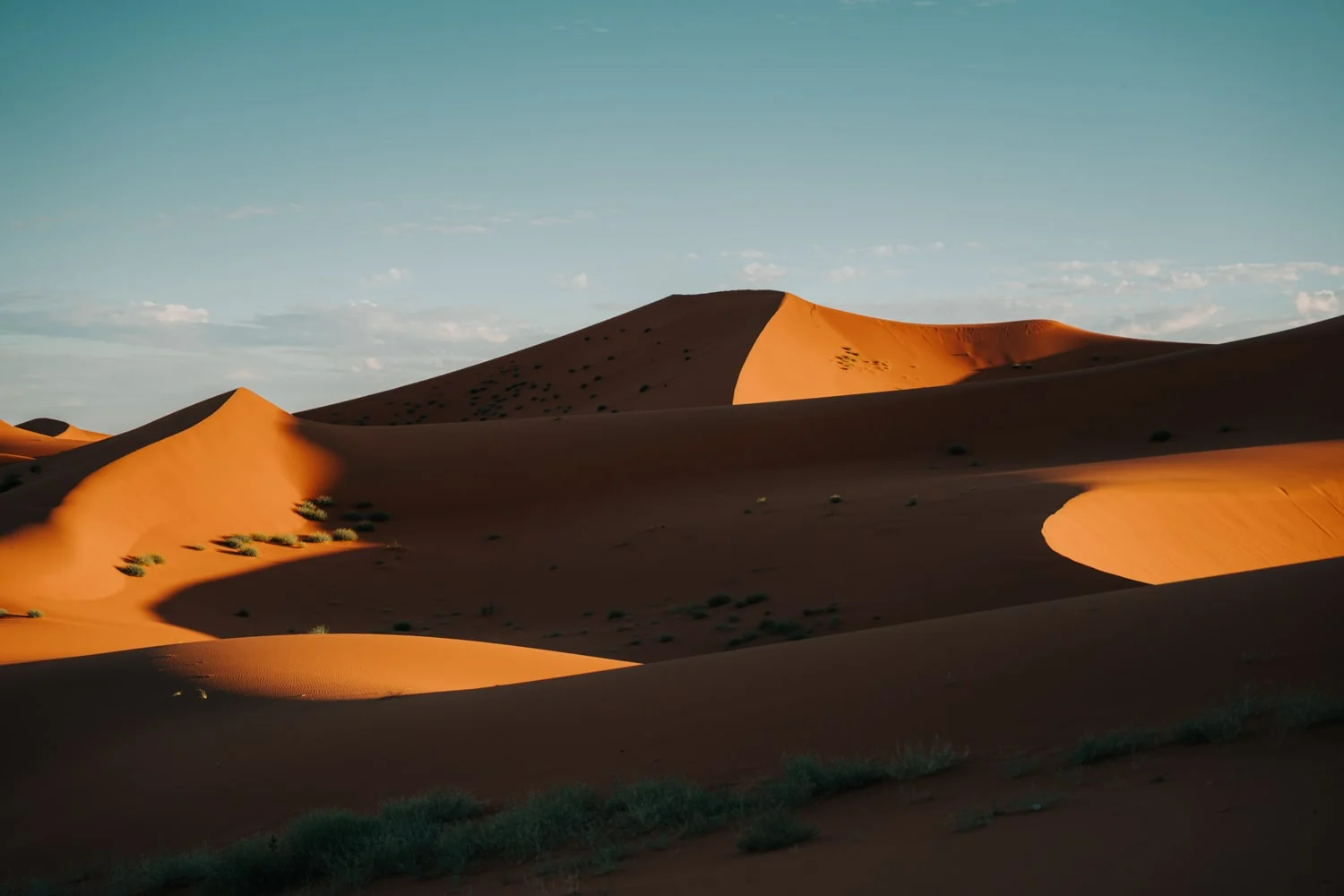
Position yourself at the highest point of the primary ridge to capture the sweeping shadows across the sand sea. This vantage point provides a panoramic perspective of the desert expanse often visited during an erg chigaga tour from marrakech.
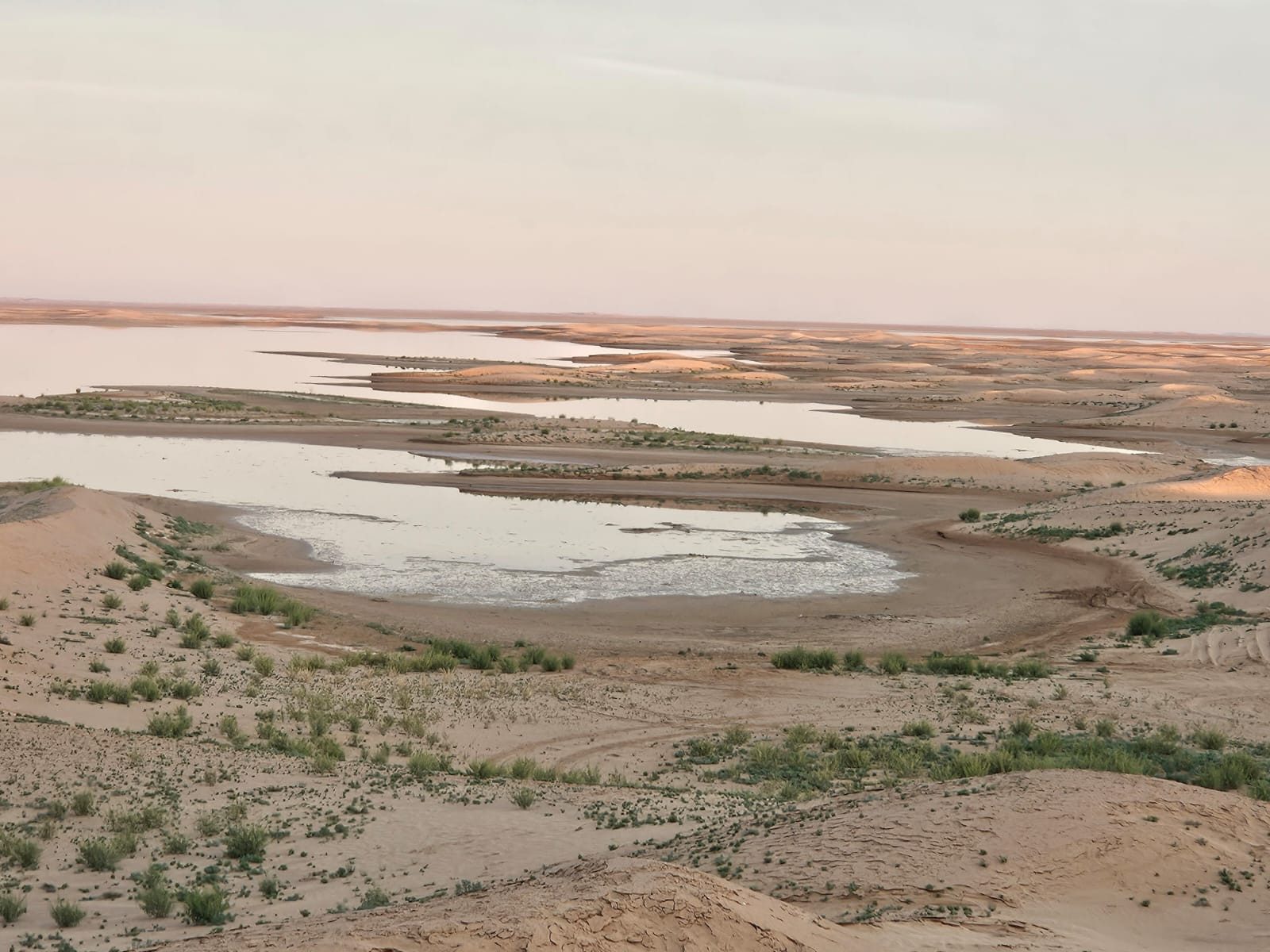
Capture the vast, cracked patterns of this dried lake bed which contrast sharply against the distant Saharan horizon. It is a distinct foreground element for landscape compositions on any erg chigaga tour from marrakech tour.
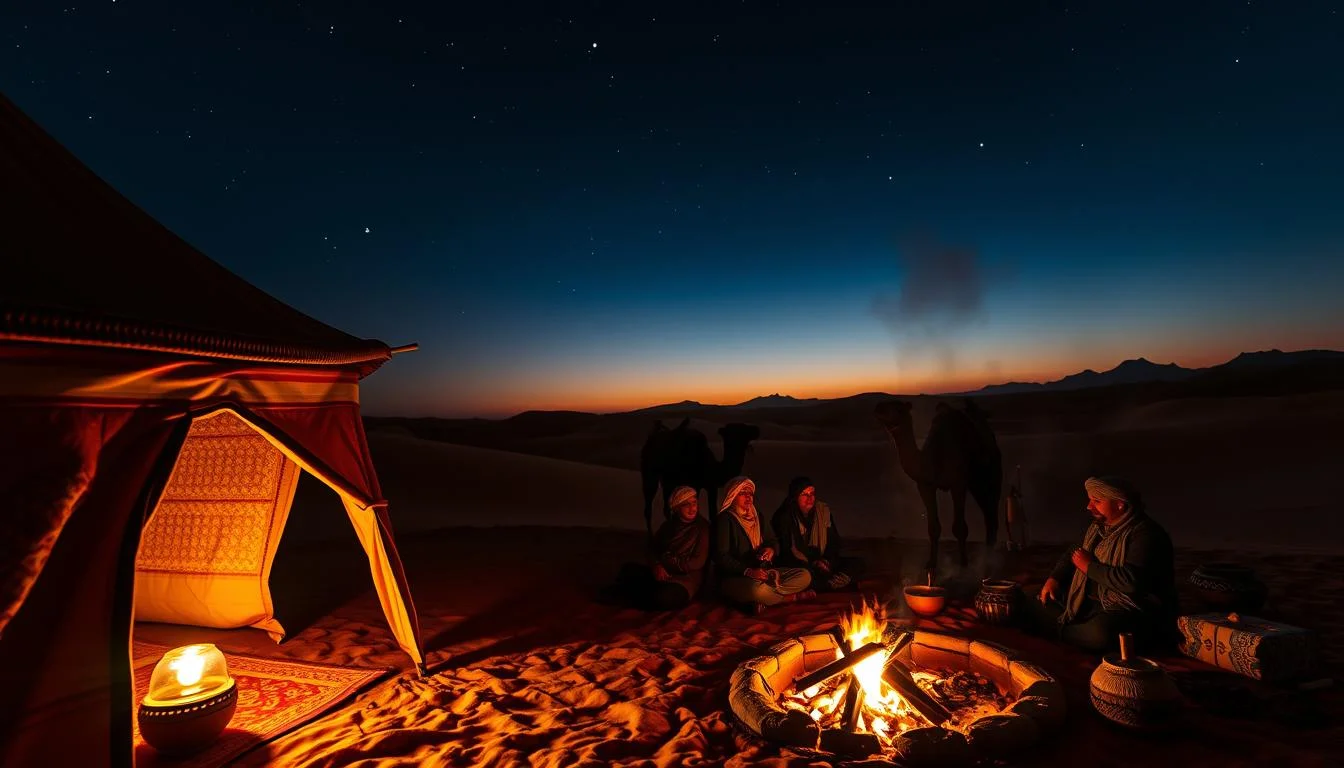
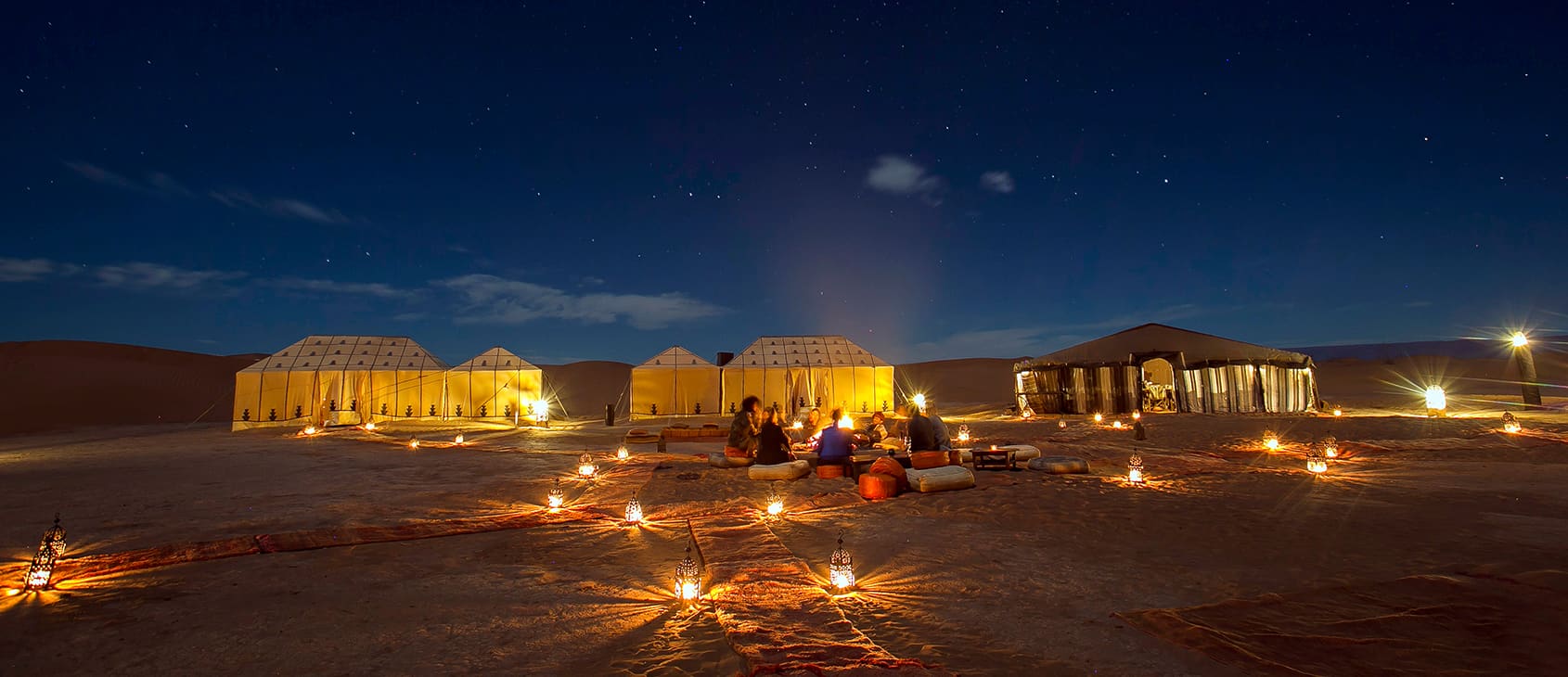
Shoot from a low angle near the center of the encampment to frame the traditional tents against the star-filled sky. This perspective is a common highlight for those utilizing erg chigaga tour from marrakech tickets.
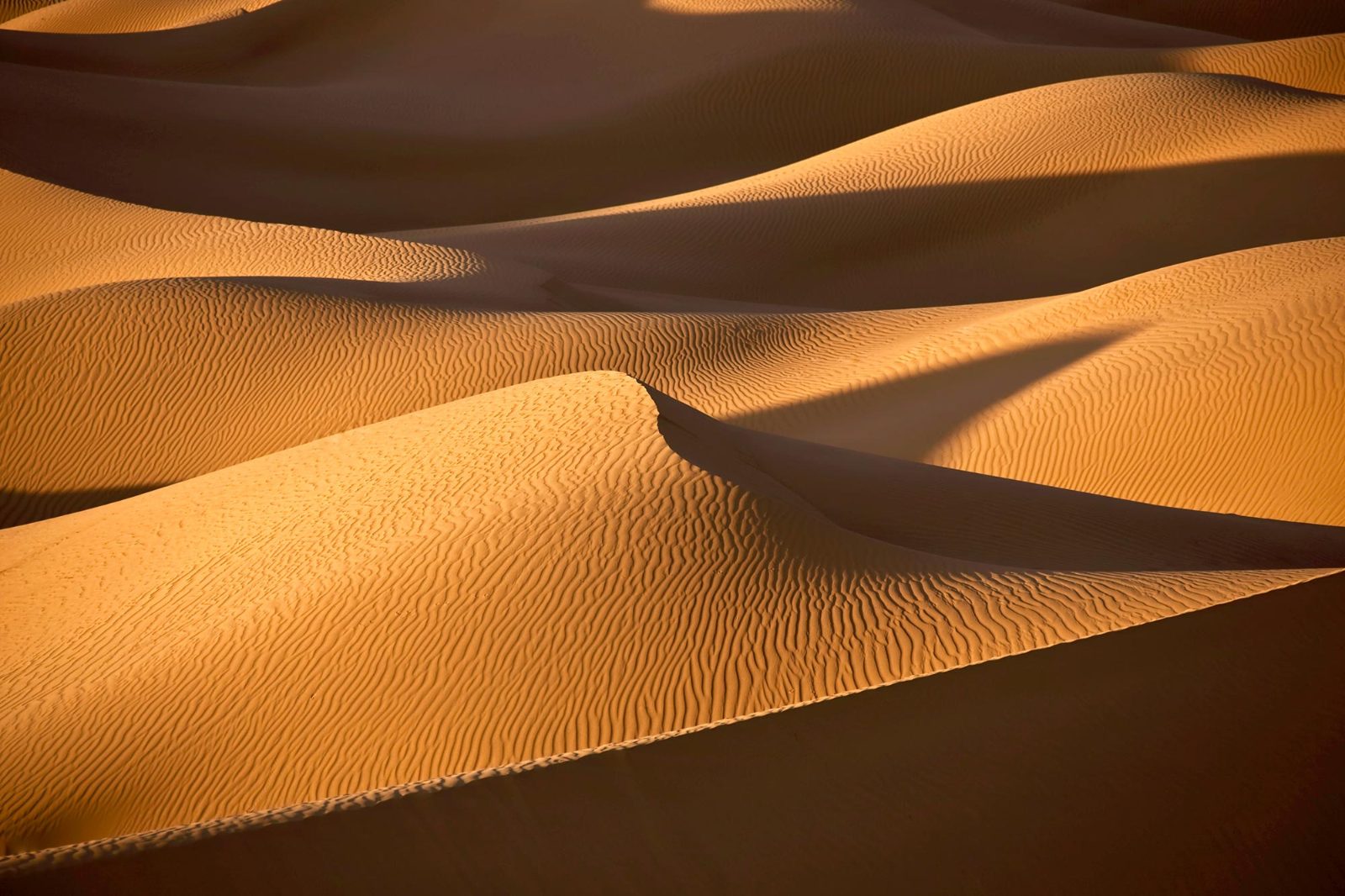
Focus on the rhythmic textures and fine grain lines along the edge of the dunes to create a minimalist geometric composition. This location is easily accessible for anyone on erg chigaga tour from marrakech tours.
Real experiences from real travelers
Our erg chigaga tour from marrakech took us deep into the Sahara where tourism feels minimal. The drive through rocky hamada before reaching the dunes was long but rewarding. Watching sunrise from the highest crest made the journey worthwhile.
Chose this over Erg Chebbi specifically for the isolation. The final hour crossing dune fields in 4x4s was exhilarating. Camp setup was comfortable with proper Berber tents and solid meal service under the stars.
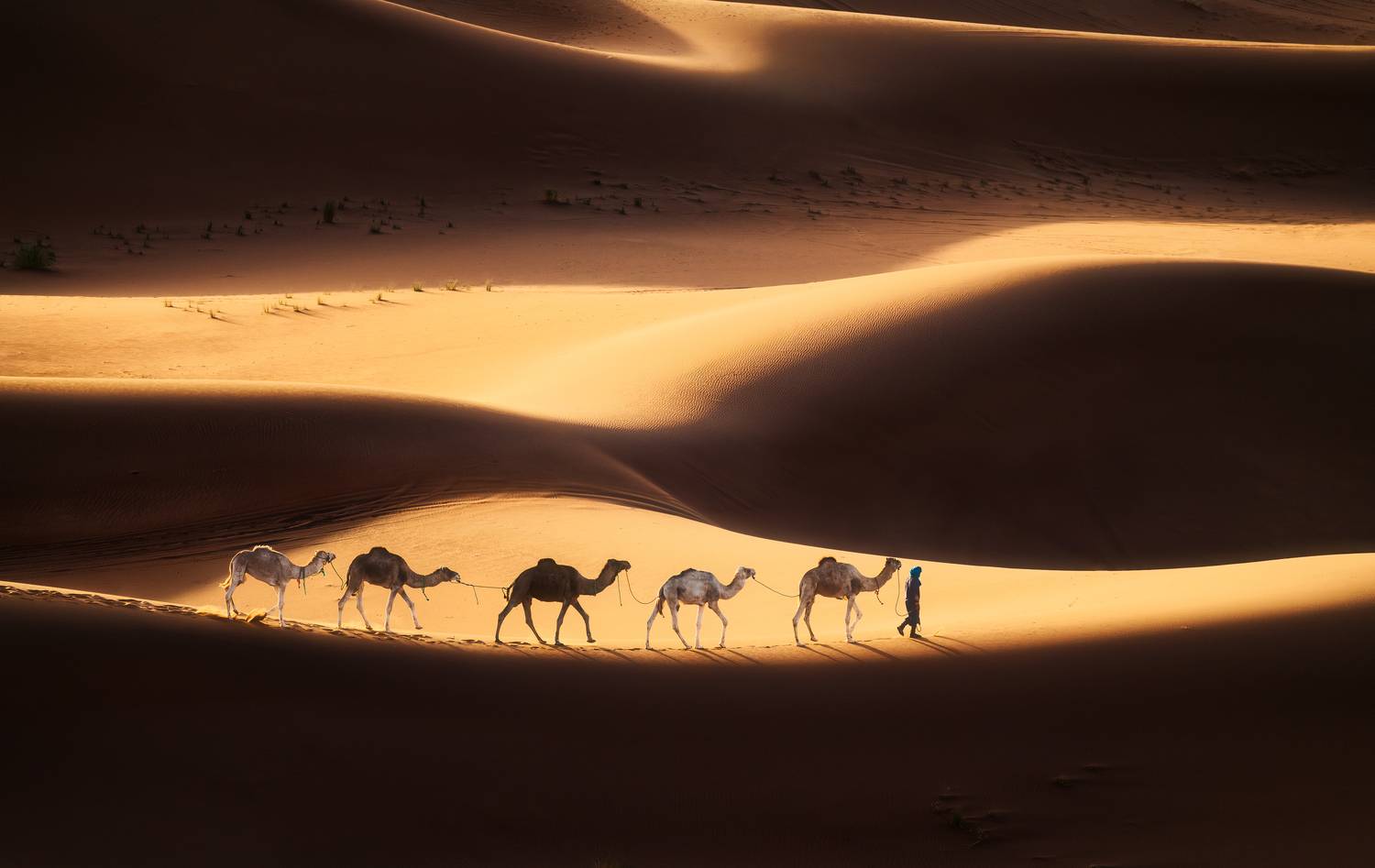
The scale of Erg Chigaga dunes exceeded expectations—some crests tower over 300 meters. Our guide navigated confidently through trackless sand. Camel trek at sunset provided perspective impossible to gain from vehicle.
Tours from Marrakech to the Chegaga dunes require full commitment with seven-hour drives each direction. The remoteness is the point. Nights were cold in March so pack layers. Desert landscape feels genuinely wild.
After researching Moroccan desert options we selected an erg chigaga tour from marrakech for its lack of crowds. The western erg sees far fewer visitors than eastern alternatives. Two nights allowed time to explore multiple dune formations on foot.
What distinguishes this desert region is the profound quiet once vehicles stop. We climbed the main ridge at dawn and saw no other groups. Guides shared knowledge about desert navigation and seasonal weather patterns.
The journey through Draa Valley and past Lake Iriqui set proper expedition tone. Erg Chigaga feels like destination for travelers willing to invest time. Camp quality was higher than anticipated with clean facilities and generous portions.
Photographs cannot convey the physical presence of these dune walls. Our guide positioned camp to face east for optimal sunrise viewing. The Sahara experience here feels unfiltered by commercial tourism infrastructure.
Booking this sahara desert expedition from marrakech was the right call. The isolation and scale make Erg Chigaga special. Guides drove with impressive skill through soft sand. Second day we hiked to remote fossil beds.
Light pollution is nonexistent this far from settlements. Stars appeared impossibly dense. Our erg chigaga tour from marrakech included traditional music around the fire and strong mint tea. Camel handlers were patient and experienced.
Everything you need to know for your journey
The site is open daily from 00:00–23:59. It is a natural landscape with no formal gate hours.
Entry to the Erg Chegaga dunes is 0 MAD. It is a natural desert environment with no entrance fee.
You should aim to arrive between 06:00–18:00 to ensure your travel through off-road tracks occurs in daylight.
As this is a natural site, you do not buy tickets for the dunes themselves. You instead book an erg chigaga tour from marrakech tour through a licensed operator.
Yes, families are welcome, but be mindful of the long travel times and heat. Choose a tour operator with child-friendly amenities.
There is no strict dress code, but modest, breathable clothing that covers skin is best for the sun and sand.
Cellular signal is very weak. Use mobile phones sparingly to conserve battery for emergencies.
Pack high-SPF sunscreen, sunglasses, and a wide-brimmed hat. Bringing extra water is essential for your comfort.
You can combine your visit with stops at the Draa Valley or Ait Benhaddou on your way from Marrakech.
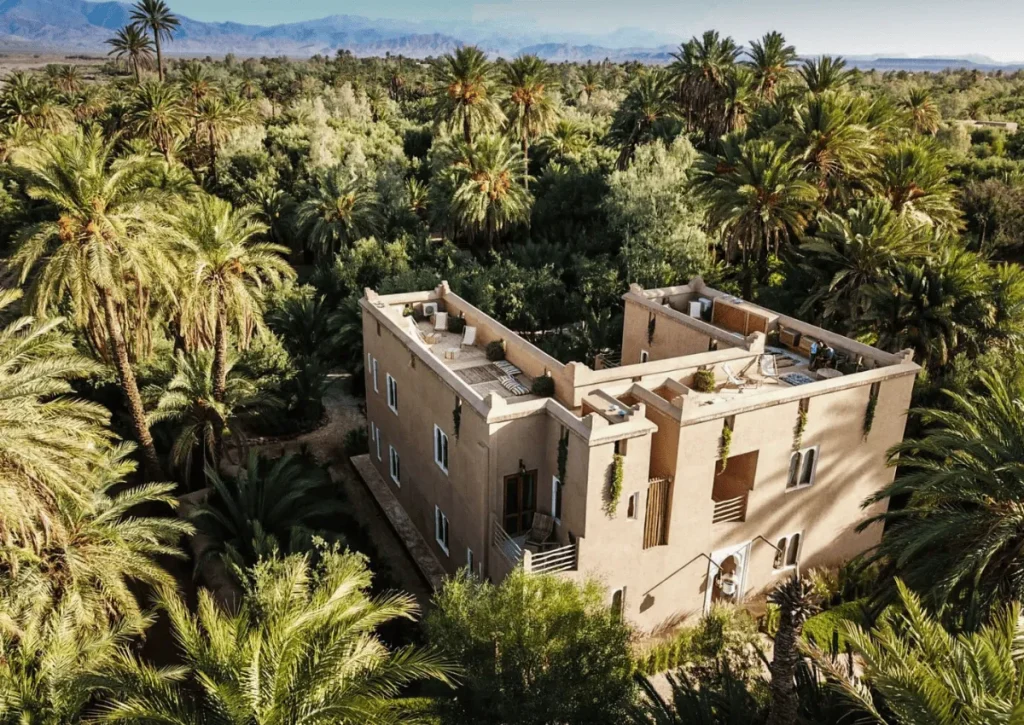
A lush oasis corridor leading into the Sahara desert landscapes.
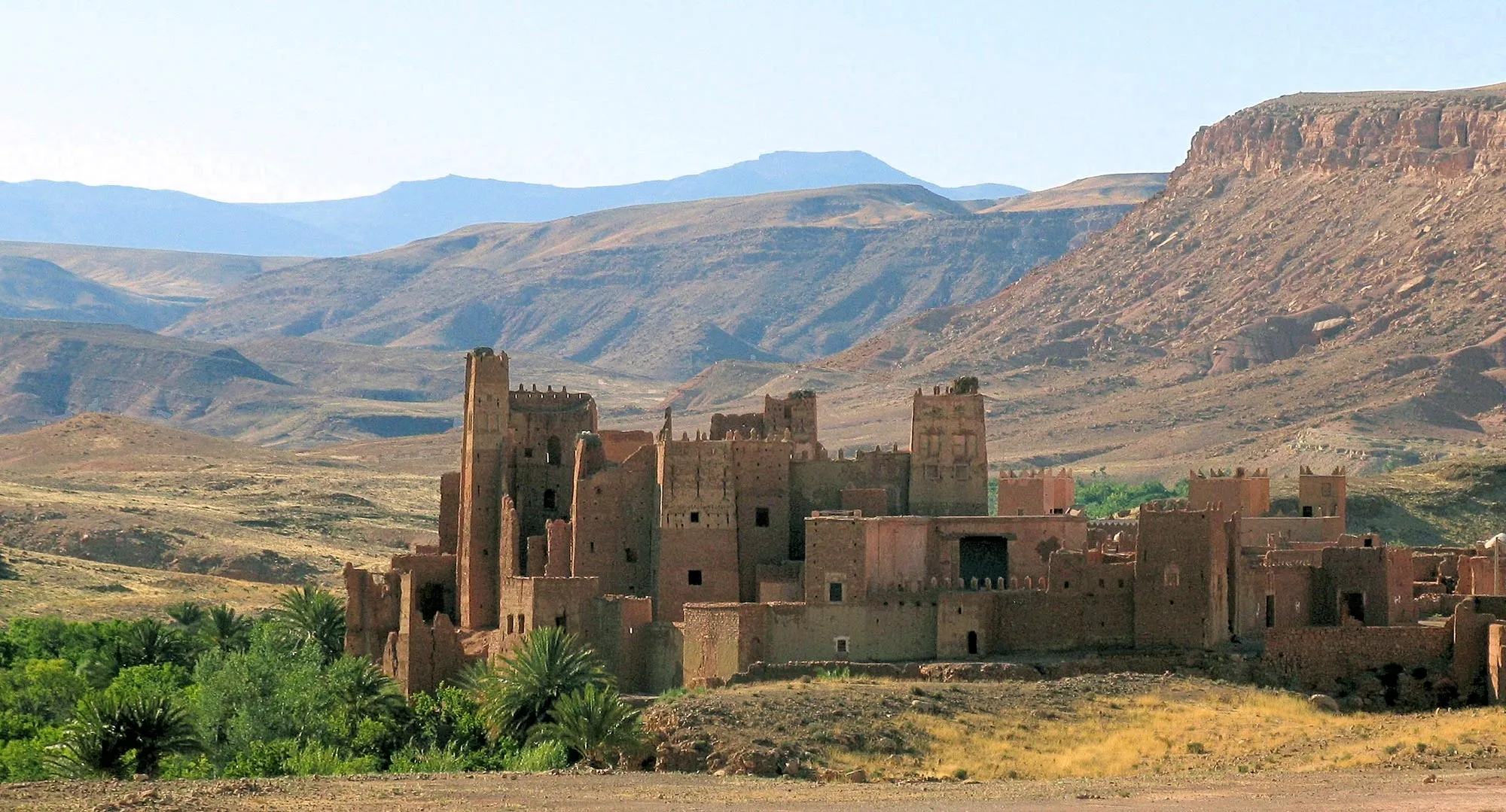
A historic mud-brick fortification and UNESCO site on the route.
A traditional market center for local goods and desert supplies.
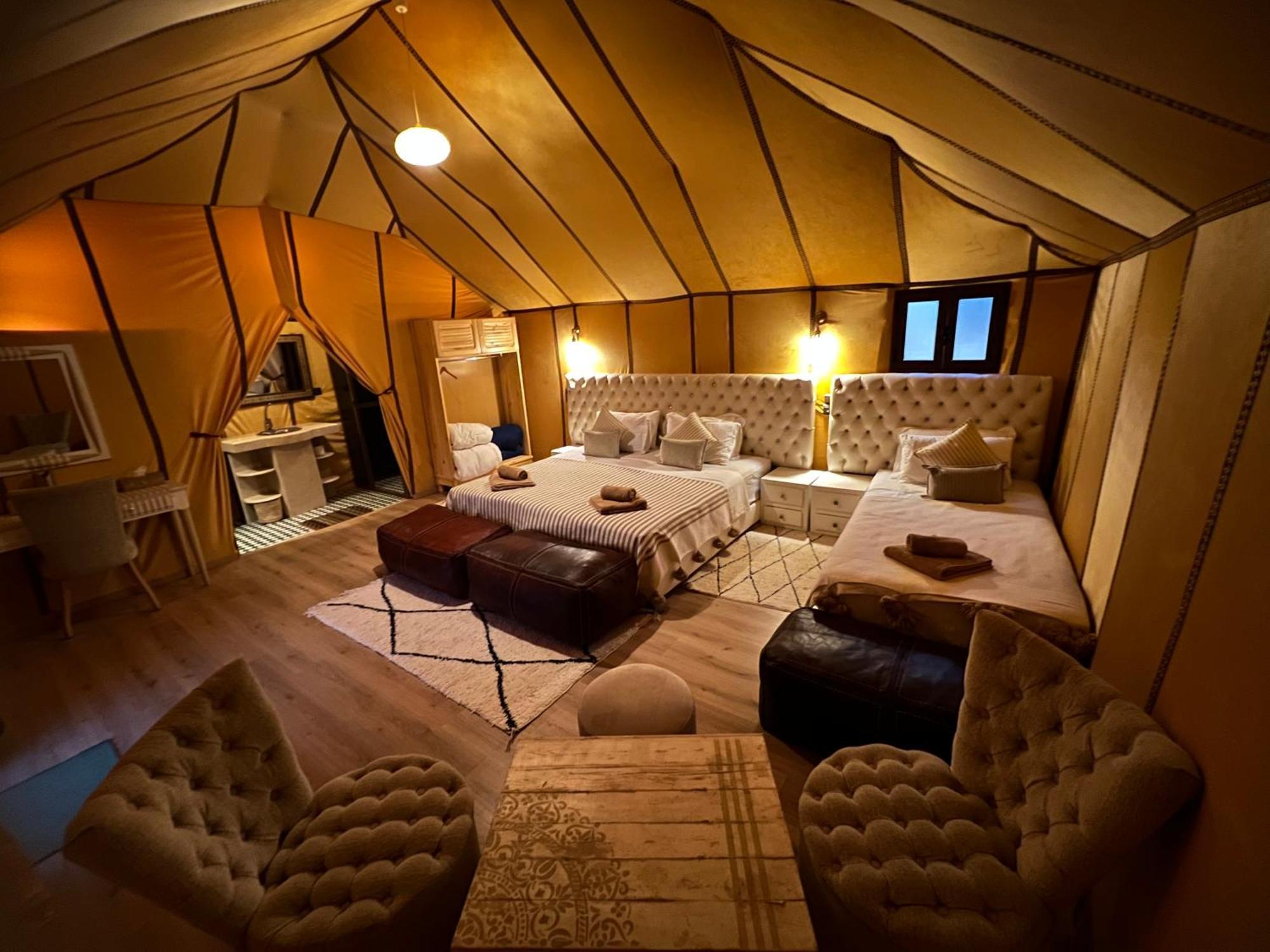
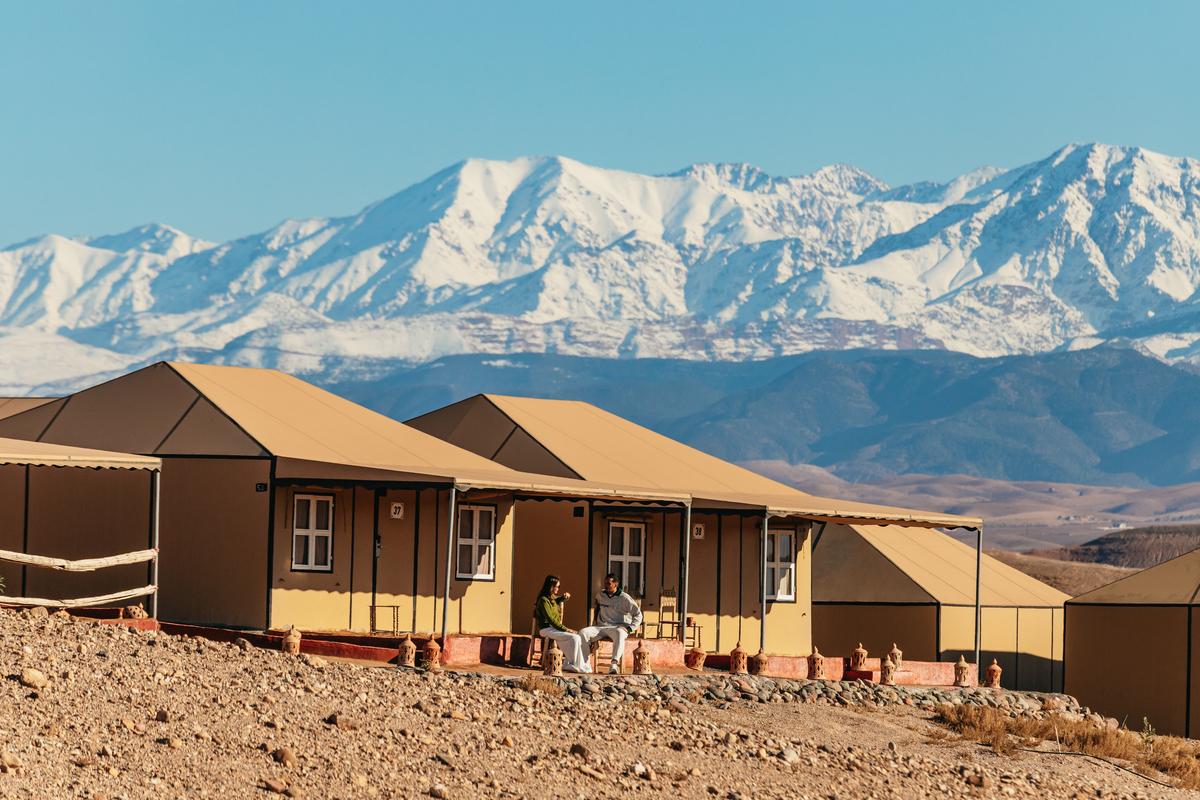
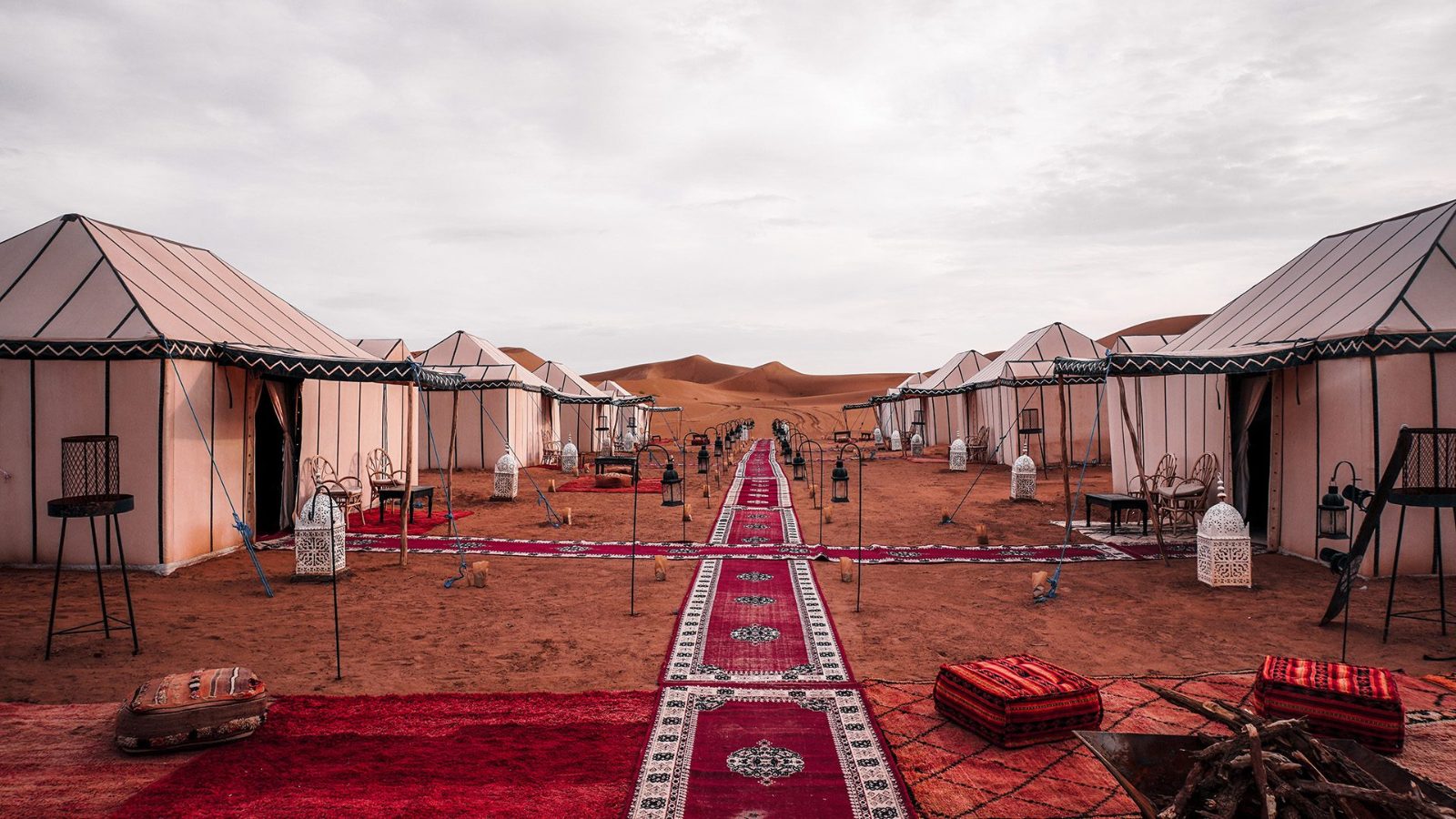
High-end canvas tents with private bathrooms and gourmet dining.
Located in M'Hamid, providing a transition between civilization and dunes.
Authentic experience focusing on traditional music and communal meals.
Join thousands of happy travelers who have discovered this incredible experience
Book Your Experience Now